
How to Declutter Your Home and Maximize Your Space
Clutter can make even the most spacious home feel cramped and chaotic. Decluttering not only frees up physical space but also promotes mental clarity and a sense of calm. In 2025, with homes increasingly serving as multifunctional hubs for work, relaxation, and socializing, maximizing space is more important than ever. Drawing from expert advice and organizational principles like the KonMari method, here’s a practical, step-by-step guide to declutter your home and optimize every square foot—without sacrificing style or sentimentality.
Step 1: Assess and Set Intentions
Before diving in, take a moment to define your goals. Are you aiming to create a minimalist aesthetic, improve functionality, or make room for new hobbies? Walk through your home and identify problem areas—piles of paper on the kitchen counter, overflowing closets, or a garage you can’t step into. According to a 2024 Houzz study, 68% of homeowners reported feeling overwhelmed by clutter, with kitchens and bedrooms topping the list of trouble spots. Write down your priorities, such as “clear countertops for meal prep” or “create a cozy reading nook.” This clarity will guide your decisions and keep you motivated.
Pro Tip: Take “before” photos of each room. Visual evidence of progress can be incredibly satisfying and help you stay committed.
Step 2: Tackle One Zone at a Time
Avoid the overwhelm of decluttering your entire home at once. Instead, focus on one room or category (e.g., clothes, books, or kitchen gadgets) to maintain momentum. The KonMari method, popularized by Marie Kondo, suggests starting with items that are easier to part with, like clothes, before moving to sentimental items. For example:
Kitchen: Clear countertops by storing rarely used appliances (that bread maker you used once?) in cabinets or donating them. Keep only daily essentials like a coffee maker or cutting board out.
Bedroom: Sort through your wardrobe using the “joy test”—keep only items that spark joy or serve a clear purpose. Donate or sell clothes you haven’t worn in a year.
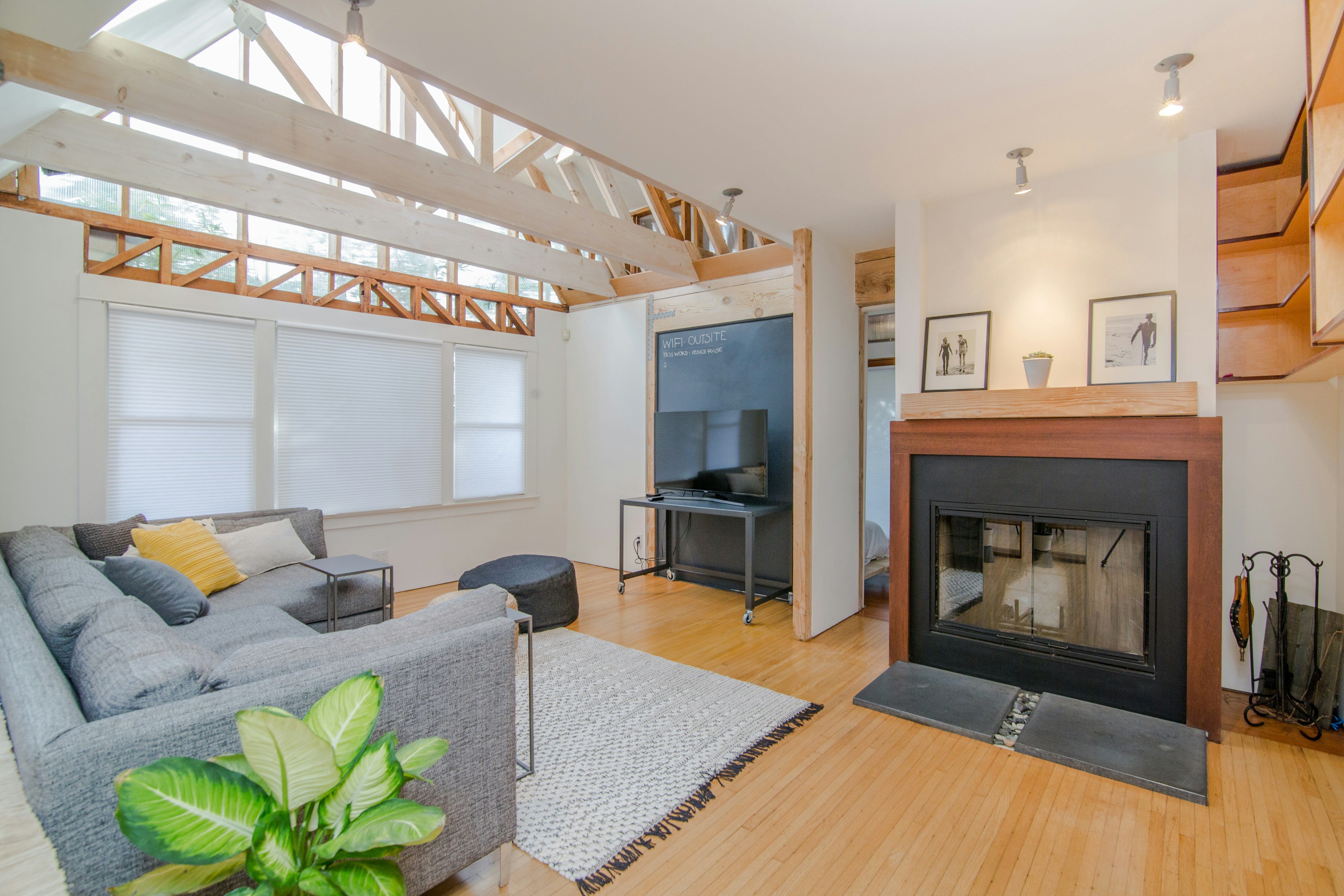
Living Room: Remove excess decor, like redundant throw pillows or outdated magazines, to create breathing room.
Set a timer for 30-minute sessions to avoid burnout. You’ll be amazed at how much you can accomplish in a focused sprint.
Step 3: Sort Ruthlessly with the Four-Box Method
Grab four boxes or bins labeled: Keep, Donate/Sell, Trash, and Relocate. As you go through each zone, place every item into one of these categories. Be honest—do you really need three spatulas or that stack of expired coupons? A 2023 study by the National Association of Professional Organizers found that 80% of household clutter is due to indecision about what to keep or discard. Ask yourself:
Keep: Is this item used regularly or deeply meaningful? Does it fit my current lifestyle?
Donate/Sell: Is it in good condition but no longer needed? (Think: gently used clothes or duplicate kitchen tools.)
Trash: Is it broken, expired, or beyond repair?
Relocate: Does it belong in another room? (E.g., stray toys in the kitchen go back to the playroom.)
For sentimental items, take photos before letting go to preserve memories without the physical clutter. Websites like Decluttr or local Buy Nothing groups are great for rehoming items.
Step 4: Maximize Space with Smart Storage
Once you’ve pared down, it’s time to optimize your space with intentional storage solutions. The goal is to make everything accessible yet out of sight for a clean, airy feel. Here are some ideas:
Vertical Storage: Install wall-mounted shelves or pegboards in kitchens, garages, or home offices. A pegboard in the kitchen can hold pots, pans, or utensils, freeing up cabinet space.
Multifunctional Furniture: Opt for ottomans with hidden storage, foldable desks, or beds with built-in drawers. IKEA’s 2025 catalog highlights modular furniture that adapts to small spaces.
Clear Containers and Labels: Use transparent bins for pantry items or under-sink storage to see contents at a glance. Labels prevent chaos from creeping back in.
Hidden Nooks: Utilize awkward spaces like under stairs or above cabinets for seasonal items or bulk storage. Custom pull-out drawers can transform deep cabinets into usable space.
Example: In a small kitchen, install a magnetic knife strip on the wall and use stackable bins for dry goods to free up counter space. A 2024 Better Homes & Gardens report noted that 62% of homeowners saw improved functionality after adding vertical storage.
Step 5: Create Zones for Functionality
Maximize your home’s potential by assigning specific purposes to different areas. For instance:
Kitchen: Designate a “coffee station” with a tray for your machine, mugs, and beans to streamline mornings.
Living Room: Create a cozy reading corner with a chair, lamp, and small bookshelf, keeping the rest of the space open for socializing.
Entryway: Add a wall-mounted rack for keys and bags to prevent clutter pile-ups.
Zoning encourages habits that maintain order. For example, a dedicated homework or craft zone with labeled bins keeps supplies contained and easy to clean up.
Step 6: Maintain the Momentum
Decluttering isn’t a one-and-done task—it’s a lifestyle shift. Adopt habits to keep your home spacious and serene:
One-In, One-Out Rule: For every new item you bring in (e.g., a new sweater), remove an old one to prevent accumulation.
Daily 10-Minute Tidy: Spend 10 minutes each evening putting things back in their place. This prevents small messes from becoming overwhelming.
Seasonal Check-Ins: Reassess your space every three months. Donate items you no longer need and adjust storage as your needs evolve.
A 2025 Apartment Therapy survey found that 74% of people who maintained daily tidying habits reported lower stress levels.